Solane Quarterly
Est. London · 2024 — Issue 01

SLEEP.REST.
RECOVER.

An independent quarterly publication documenting the relationship between consistent sleep patterns, evening wind-down habits, and the quality of daytime energy. Observed and recorded from the editorial desk in London.

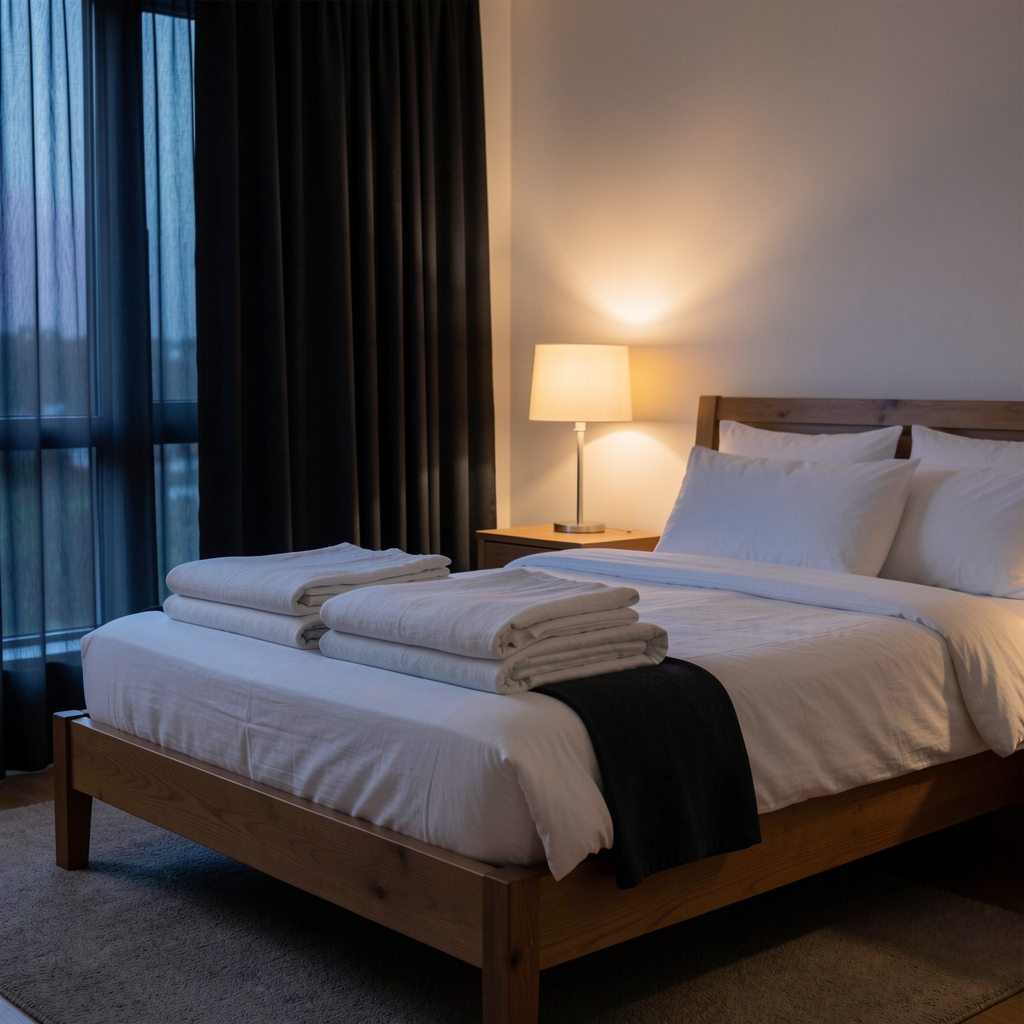
Quiet bedroom at dusk with soft lamp light, neatly folded linen on a wooden bed frame, blackout curtains partially drawn
sleep hygiene —— circadian rhythm —— wind-down sequence —— restorative rest —— morning freshness —— deep sleep —— evening routine —— recovery window —— sleep hygiene —— circadian rhythm —— wind-down sequence —— restorative rest —— morning freshness —— deep sleep ——
01 — FEATURED READING

Current Articles

7–9
Recommended Sleep Hours
90
Min. Per Rest Cycle
2H
Pre-Sleep Wind-Down Window
21°
Optimal Room Temperature (C)
02 — TOPIC AREAS

What We Document

Sleep Environment

Bedroom Setup & Ambient Conditions

Documented studies on how blackout curtains, pillow choice, room temperature, and ambient sound levels correlate with reported sleep quality over multi-week observation windows.

Circadian Rhythm

Light Exposure & Schedule Consistency

The role of morning light exposure, fixed wake times, and consistent sleep schedules in maintaining the body's internal clock. Evidence sourced from peer-reviewed sleep research and published longitudinal studies.

Wind-Down Habits

Evening Rituals & Relaxation Sequences

Observations on the transition period between active engagement and rest — covering screen reduction, gentle stretching, reading habits, and temperature-based relaxation practices.

Natural Rest

Recovery Without Supplementation

A focus on habitual and environmental approaches to rest and recovery — the structural changes in daily routine that published findings associate with better sleep patterns and daytime energy.

Morning Freshness

Wake Routines & Daytime Energy

How the conditions of sleep — its duration, timing, and continuity — translate into observable morning energy levels and sustained daytime focus, as documented in long-term sleep journal studies.

Editorial Review

Standards, Sources & Methodology

Every article in Solane Quarterly undergoes editorial review for source accuracy and vocabulary appropriateness. See the Methodology page for a full account of our editorial process.

03 — EDITORIAL POSITION
"Rest is not the absence of activity. It is a documented process — one that can be observed, refined, and returned to."
Solane Quarterly, London — 2026
04 — COMMON QUESTIONS

Frequently Asked

Selected questions from readers on sleep habits, rest practices, and the editorial approach of Solane Quarterly. Answered in the documentary-factual register consistent with our published articles.

Sleep hygiene refers to a collection of behavioural and environmental practices consistently associated with better sleep quality in published research. It includes regular scheduling, controlled light exposure, and a structured pre-sleep wind-down sequence. The term is observational rather than prescriptive — a descriptor for patterns noted in individuals who report sustained, restful nights.

The circadian rhythm is the body's internal timing system, operating on approximately a 24-hour cycle. It governs the timing of alertness and drowsiness. When sleep and wake times align consistently with natural light patterns, the system tends toward greater regularity. Disruptions — irregular schedules, late light exposure — are documented as contributors to fragmented rest and reduced morning energy.

Published observations point toward a consistent two-hour wind-down period. Common elements include reduction of bright overhead lighting, cessation of screen engagement one hour before bed, a period of low-intensity activity (reading, gentle stretching, a warm bath), and temperature reduction in the sleeping space. The specific sequence matters less than its consistency across nights.

Solane Quarterly is an independent editorial publication. It does not sell products, accept advertising related to the topics it covers, or present opinion as evidence. Each article is sourced from published findings in sleep research, reviewed by a second editor before publication, and written in an observational rather than prescriptive register.

The relationship between sleep continuity and daytime alertness is among the most consistently documented in published sleep research. Participants in multi-week studies who introduced consistent scheduling and improved sleep environments reported meaningful gains in reported energy levels, attention span, and subjective mood — without pharmacological or supplementary intervention.

05 — ABOUT THE PUBLICATION

A Note on Editorial Independence

Solane Quarterly was established in London as an independent editorial resource for readers interested in the documented relationship between daily habits and rest quality. The publication operates without commercial affiliation, promotional partnership, or sponsored content in the topic areas it covers.

Articles are selected based on the relevance of published sleep research to everyday practice. Writers are required to disclose any commercial relationships that could influence their subject selection. The editorial team reviews each piece before publication against the standards described on the Methodology page.

About the Editorial Team
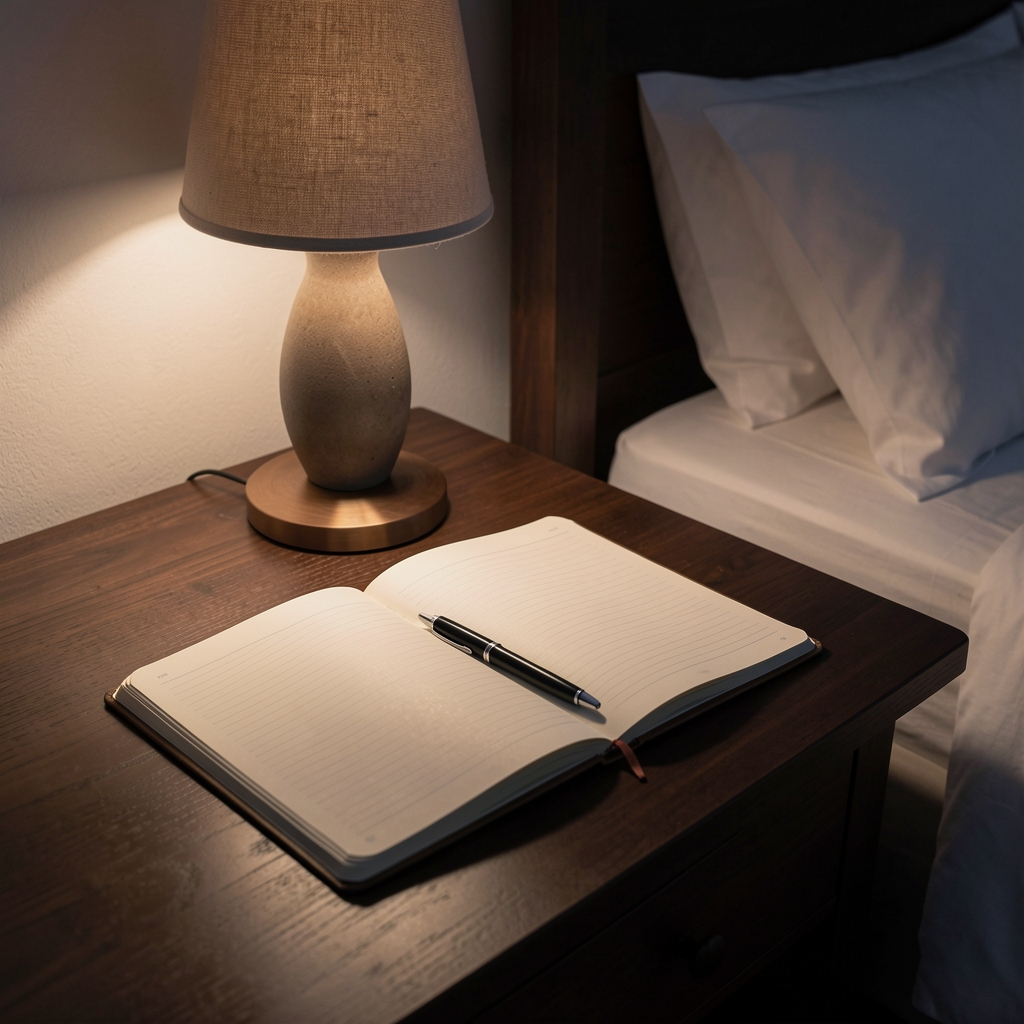
Bright editorial workspace with stacked journals, a desk lamp casting warm light over an open notebook, morning light from a tall window
06 — GET IN TOUCH

Questions for the Editorial Team?

Contact Us